Home » Security » Cargo Screening at Ports and Borders
Cargo Screening at Ports and Borders
High-energy X-ray detector electronics challenge
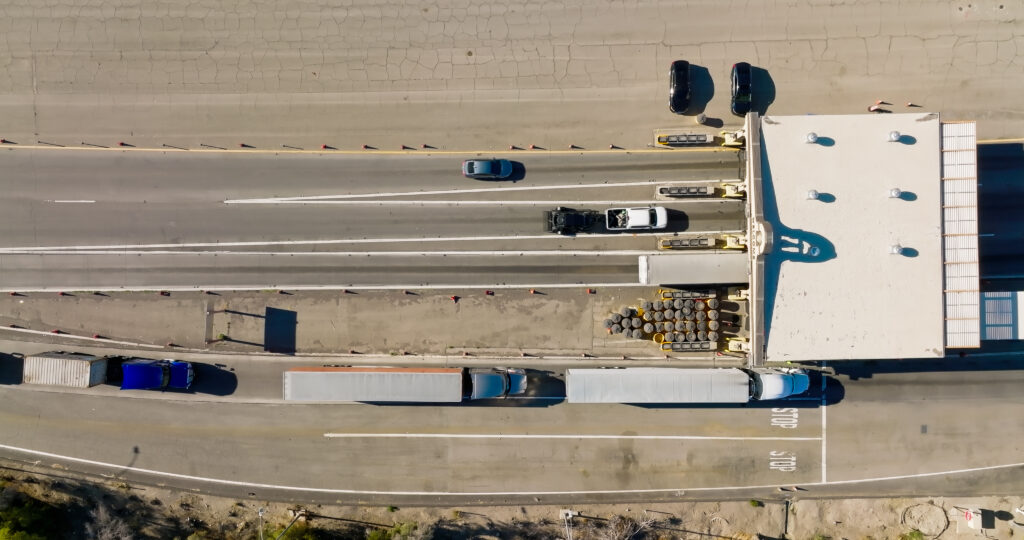
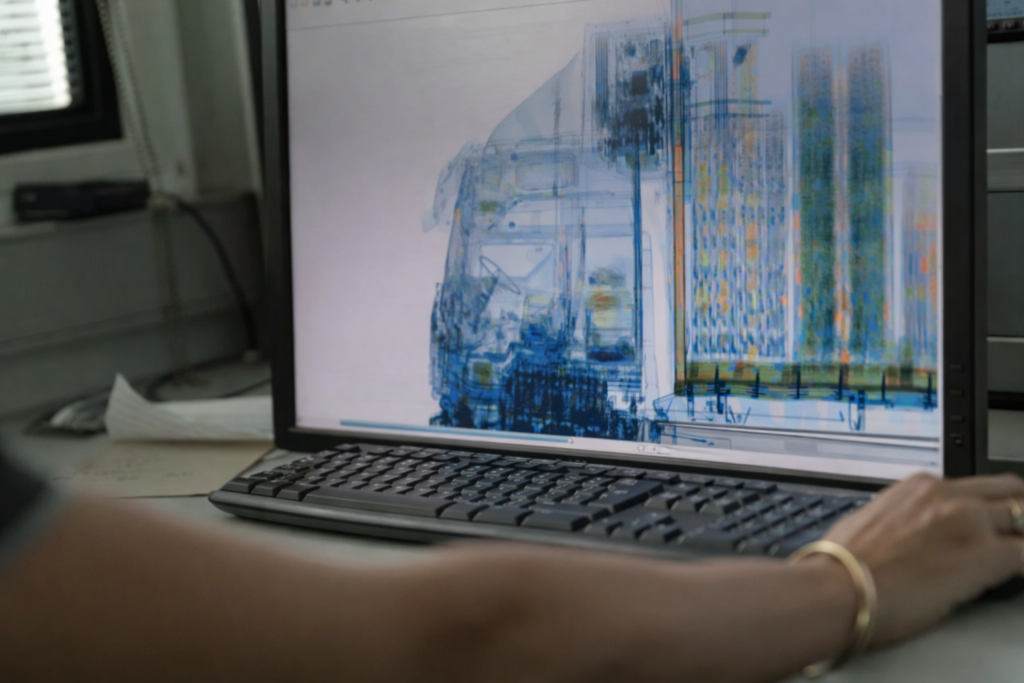
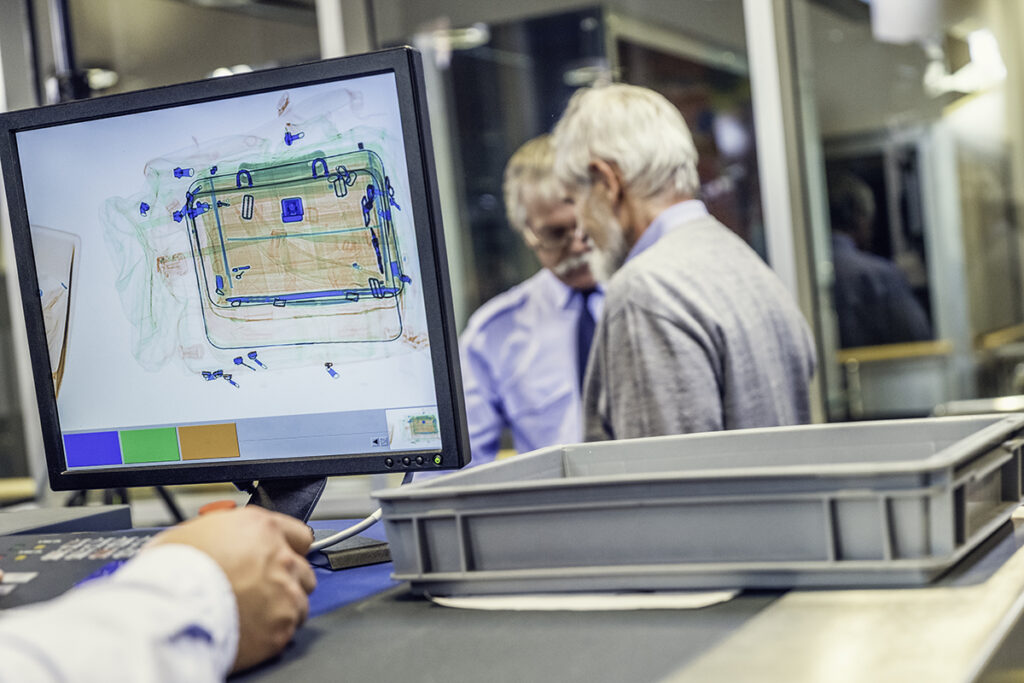
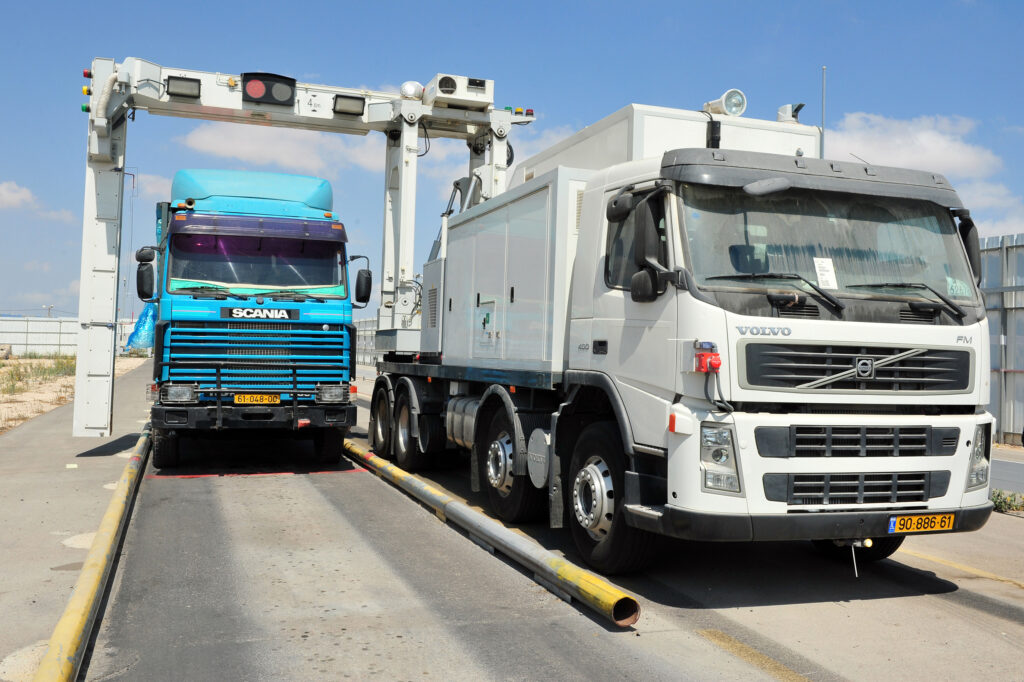
High energy X-ray scanning systems are deployed globally for cargo screening. They are used for X-ray inspection of shipping containers and high energy truck scanning. These cargo inspection systems screen large and dense varied loads that and are irregularly packed. X-ray cargo inspection systems are used to screen shipping containers moving through ports, railways, airports and logistics hubs all over the world. These high energy XRT container inspection systems are powered by LINAC based detectors. In addition the high powered X-ray architectures must operate in the MeV range. Also unlike passenger baggage scanners at airports high energy cargo inspection of shipping containers must penetrate 100's mm of steel. In addition the container inspection must be screened down to 1mm wires.
Very wide variation in cargo density and composition
Large object sizes and thick materials
High throughput with low chance of second inspection
Highly regulated security needs for reliable threat detection
Because these systems must operate reliably in demanding environments they need to robust. In addition they must deliver consistent performance over many years. This makes the specification of the detector electronics so critical.
Why X-ray is used for cargo inspection
Firstly X-ray inspection enables non-intrusive screening of sealed cargo containers, pallets, and large consignments that cannot be assessed by manual or surface-based methods.
Further more, in cargo inspection applications, X-ray systems support:
Penetration of dense and heavily packed cargo
Identification of concealed threats or contraband
Screening of containers and pallets without unloading
Because of the scale and attenuation involved, cargo inspection systems rely heavily on detector dynamic range and stability to maintain usable image quality.
Detector and signal chain requirements
Above all cargo inspection places some of the most demanding requirements on X-ray detector platforms.
Firstlyextreme dynamic range
Cargo can contain thin packaging along with dense metal items. This means detectors have to cope with extreme attenuation differences. This must be achieved without saturation or loss of detail.
Secondly uniform response across large detector arrays
This is due to large-area detector systems must maintain uniformity to avoid artefacts that could obscure or mimic threats.
Thirdly stability under high-energy operation
High-energy X-ray sources and long duty cycles increase thermal and electronic stress. Therefore stable detector behaviour is essential for consistent image quality and detection performance.
In addition to the above challenges, cargo inspection systems are installed outdoors open to the elements.
Therefore key considerations include:
Exposure to temperature variation, dust, and vibration
Integration with vehicle movement, conveyors, and portals
Long service life with preventative maintenance windows
Most importantly OEMs and operators require detector reliability and predictable performance. This is critical for security coverage and authority confidence.
Sens-Tech’s approach to cargo inspection
In conclusion Sens-Tech develop high energy low noise X-ray detectors. These feature wide dynamic range with robust signal chains and stability. These are essential to support demanding cargo inspection systems.
This is achieved by prioritising:
Consistent detector behaviour under high-energy conditions
Platform reuse across security screening applications
Predictable ageing and calibration retention
Lastly Sens-Tech supports global OEMs in delivering cargo inspection solutions. These maintain performance while reducing operational and lifecycle risk.
Whether you are looking for advice on the best product for your application, need to know more about our latest technology breakthroughs, or simply have a question, we'd love to hear from you.